
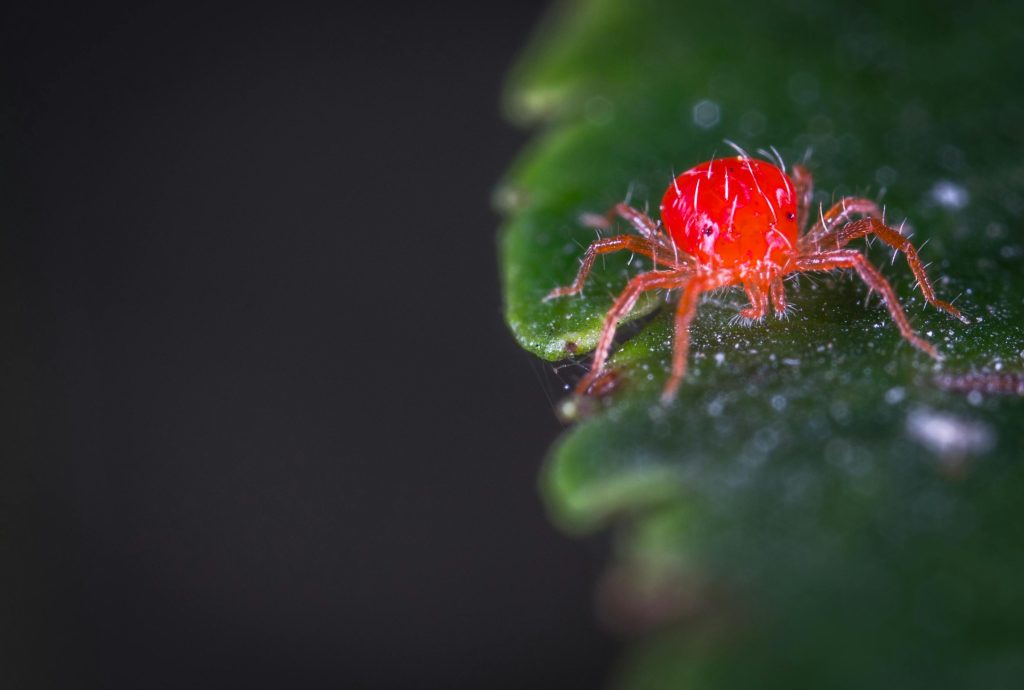
Spider mites pose one of the most dangerous threats to farmers and agricultural experts alike; if the right pesticide is not applied at the right time, these tiny insects can completely devastate an entire crop within just a few days. Selecting the “best” treatment for spider mites involves more than just considering a product’s potency; it requires a thorough understanding of the insect’s life cycle, the pesticide’s mode of action, and the specific needs of the crop. In this guide, we will analyze a comprehensive range of options—from chemical pesticides to modern bioproducts—to help you make an informed decision and safeguard your hard-earned investment. These aren’t merely pests that cling to plants; they hollow them out from the inside. To combat them effectively, you must keep the following factors in mind: Understanding the Life Cycle—these mites mature and reproduce very rapidly, necessitating a pesticide that not only kills the active insects but also targets and eliminates their eggs. Different treatments work in different ways: some attack the insect’s nervous system, while others inhibit their ability to feed. Chemical vs. Biochemicals—while chemical pesticides can offer immediate and potent results, bioproducts (which are becoming increasingly popular in modern-day farming) are often safer for the environment and can provide a sustainable solution. Simply choosing a primary treatment will not suffice; you must administer the treatment at the precise time and in the correct manner to ensure that your initial investment does not go to waste.
The primary issue
- Is that pests suck the sap from plants, causing yellow spots to appear on the leaves; a web-like structure begins to form, and the leaves start to wither and drop off, resulting in a reduction of crop yield by up to 70%.
- The market solutions—ranging from chemical pesticides (which can lead to increased pest resistance) to natural, ecological methods and modern bioprotectors.
- The most superior option is a product that functions effectively as both an insecticide and an acaricide. It operates in a dual manner: it eradicates pests while causing no harm to beneficial insects.
- Furthermore, crops can be harvested immediately after application, as it features a “zero safety interval.” This solution is ideal for tomatoes, avocados, and various other vegetables; it ensures that no chemical residues remain once its effect has dissipated.
- It is an excellent choice for sustainable agriculture and crop production.
The characteristics of spiders, and why they are so harmful to our crops?
Spider mites belong to a family of arachnids—specifically mites—that attack hundreds of different plant species. Their diminutive size stands in stark contrast to their destructive potential; they feed on the cellular contents of leaves, piercing the leaf tissue to extract chlorophyll. Through this process, they inflict significant damage upon the foliage.
- Yellow spots or specks on the surface of the abdomen.
- On the leaves of the Ramayana plant, colors resembling ears or ‘CC’ patterns are visible.
- The delicate tendrils and the undersides of the leaves—revealing a gel-like substance—are particularly striking, especially within the context of the gum-secretion process.
- In severe cases, water stress leads to premature leaf shedding and the withering of plants.
The damage caused by this is not merely visual; it leads to a significant decline in photosynthesis, causing plants to weaken and crop yields to drop. In crops such as tomatoes or avocados, other spider mite relatives can completely devastate our harvest.
The Life Cycle and Development of Spiders
Understanding its biological cycle is the key to effective control; its development thrives in ideal conditions—specifically within homes and in dry environments.
1. The eggs are spherical, transparent, and deposited on the underside of the leaves.
2. After emerging from the egg, the larva has six legs and begins to feed.
3. The Apsara passes through two stages; it now possesses eight legs.
4. Indeed, at temperatures exceeding 30 degrees Celsius, the annual cycle from egg to adult can be completed in just one week.
Reproductive dynamics reveal why initial targets come under control within a very short timeframe—an immense effect that exerts its influence not merely in isolation, but across the entire system.
How to identify and assess the damage caused by spider activity
Early detection is the most effective strategy. Conduct regular inspections, paying particular attention to the lower parts of the plants and the undersides of the leaves; apply field treatments as necessary. The presence of pests serves as an indicator of an impending infestation; identifying the specific pest will assist you in selecting the most appropriate and effective control measures.
Types of Insecticides and Acaricides for Combating Spider Mites
Not all products are created equal; the selection of the active ingredient and its formulation make the difference in the effectiveness of controlling this pest.0
Synthetic Chemical Pesticides Against Spider Mites
Acaricides belonging to this specific group of active ingredients are designed to disrupt the nervous system or growth processes of mites. They typically act rapidly and remain effective for extended periods. However, their repeated and indiscriminate use has given rise to a significant problem: the development of resistance in spider mites. Strains resistant to Abamectin, Hexythiazox, or Etoxazole exhibit a drastic reduction in susceptibility, rendering the mechanism of action ineffective.
Natural and Ecological Pesticides for Sustainable Control
Here, we find alternatives such as sulfur, plant extracts (like neem oil), or potassium soaps; these prove to be effective options for organic farming or against mild pest infestations. These typically work through direct contact with the pest—either by suffocating them or by killing them instantly.
Spider Mite Treatments Comparison: Benefits and Side Effects
When selecting the appropriate pesticide for spider mites, it is essential to consider the following factors:
Conventional Chemical Pesticides
Advantages: Rapid action, long-lasting efficacy, broad-spectrum effect.
Disadvantages: Less effective in cases of severe infestation, shorter duration of action, requires frequent application and extreme caution.
Next-Generation Bioprotectants (e.g., Calfire, Hatchcare)
Advantages: Low risk of resistance development, preserves beneficial organisms, dual mode of action (e.g., suffocation), compatible with Integrated Pest Management (IPM) programs.
Disadvantages: May require precise application techniques, similar to other biological products.

Lorem ipsum dolor sit amet, consectetur adipiscing elit. Ut elit tellus, luctus nec ullamcorper mattis, pulvinar dapibus leo.
Lorem ipsum dolor sit amet, consectetur adipiscing elit. Ut elit tellus, luctus nec ullamcorper mattis, pulvinar dapibus leo.