
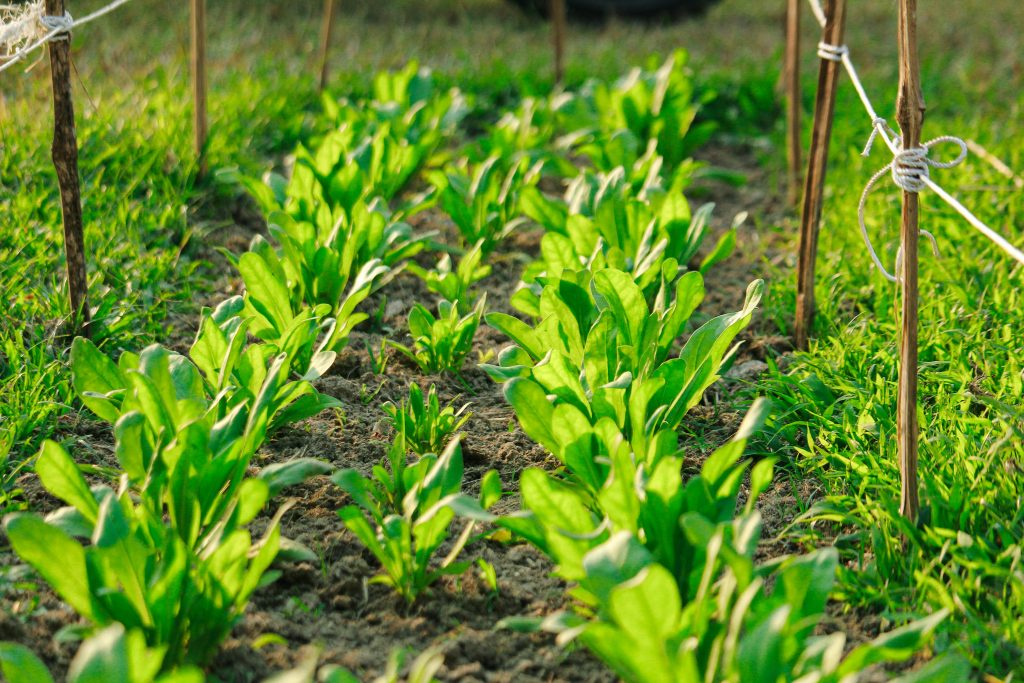
Here are practical farming tips for beginners: start small, choose crops suited to your soil and climate, and focus on sustainable practices like crop rotation and organic methods. These steps help reduce risk, improve yield, and build long-term success.
🌱 Step-by-Step Farming Tips for Beginners
1. Start Small
- Begin with a manageable plot of land or a few animals.
- Avoid overextending resources; learn gradually before scaling up.
2. Choose the Right Crops
- Select crops suited to local climate and soil conditions.
- In India, popular beginner-friendly crops include wheat, rice, pulses, and vegetables.
3. Learn About Soil Health
- Test soil for nutrients and pH before planting.
- Use organic compost, manure, or biofertilizers to improve fertility.
4. Water Management
- Install drip irrigation or sprinklers to conserve water.
- Avoid overwatering, which can damage roots and waste resources.
5. Diversify Farming
- Combine crops with livestock or poultry for multiple income streams.
- Practice crop rotation to maintain soil health and reduce pests.
6. Use Sustainable Practices
- Adopt organic farming methods to reduce chemical dependency.
- Encourage biodiversity by planting trees and maintaining natural habitats.
7. Learn from Experienced Farmers
- Visit local farms, attend workshops, or join agricultural cooperatives.
- Many successful farmers in India emphasize traditional techniques combined with modern innovations.
8. Explore Modern Options
- Urban farming, hydroponics, and container gardening are great for small spaces.
- These methods are increasingly popular in cities and require less land.
📊 Quick Comparison: Traditional vs Modern Farming for Beginners
| Aspect | Traditional Farming | Modern Farming (Hydroponics/Urban) |
|---|---|---|
| Land Requirement | Large plots | Small spaces (balconies, rooftops) |
| Investment | Moderate to high | Low to moderate |
| Sustainability | Depends on methods | High (water-efficient, eco-friendly) |
| Learning Curve | Easier (common crops) | Steeper (technology-based sy |
Sugarcane is a major cash crop in India, thriving in hot tropical climates with well-drained loamy soil. For best results, farmers should focus on proper land preparation, selecting high-yield varieties, efficient irrigation, and timely pest management.
🌱 Step-by-Step Guide to Sugarcane Farming
1. Climate & Soil Requirements
- Ideal climate: Long, warm growing season with plenty of sunlight.
- Rainfall/Irrigation: Requires high rainfall or reliable irrigation.
- Soil type: Grows in sandy to clay soils, but deep, well-drained loamy soil is best.
2. Land Preparation
- Summer ploughing: Plough twice (horizontal + vertical) to kill weeds and pests.
- Soil conditioning: Make soil crumbly and friable for better root penetration.
- Leveling & furrows: Level the field and create furrows for planting.
3. Varieties of Sugarcane
Popular high-yield and disease-resistant varieties include:
- Co 86032 – widely grown in India.
- R570 – high sugar content.
- NCo 310 – adaptable to different climates.
- CoC 671 – resistant to common diseases.
4. Planting
- Seed rate: 35,000–40,000 setts (stem cuttings) per hectare.
- Spacing: 75–90 cm between rows for optimum growth.
- Time: Best planting seasons are February–March and September–October depending on region.
5. Crop Nutrition
- Apply nitrogen, phosphorus, and potassium fertilizers in balanced amounts.
- Use organic manure/compost to improve soil fertility.
6. Irrigation Management
- Requires frequent irrigation (every 7–10 days in summer).
- Drip irrigation is recommended to save water and improve yield.
7. Weed & Pest Control
- Weeds: Control with intercultural operations and selective herbicides.
- Pests: Watch for borers, scale insects, and termites.
- Diseases: Red rot and smut are common; use resistant varieties and crop rotation.
8. Harvesting
- Harvest when cane is mature (10–12 months) and sugar content is high.
- Cut close to the ground to maximize yield.
- Transport quickly to mills to avoid sugar loss.
📊 Quick Comparison of Key Practices
| Factor | Traditional Practice | Modern Practice (Recommended) |
|---|---|---|
| Irrigation | Flood irrigation | Drip irrigation (saves water) |
| Fertilization | Chemical fertilizers only | Integrated nutrient management |
| Pest Control | Manual + chemical sprays | Resistant varieties + IPM |
| Yield | Moderate | Higher with scientific methods |
⚠️ Challenges & Risks
- Water-intensive crop: Requires reliable irrigation.
- Pest/disease outbreaks: Can reduce yield significantly.
- Market fluctuations: Sugar prices affect profitability.